Cancer will affect one in five of us in our lifetime. This also means that we know at least one family member or friend who currently has or will have cancer.
Cancer is not one single disease, but a group of diseases in which abnormal cells begin to grow and divide uncontrollably in the body, often forming tumours or spreading to other organs. It can be anything from a black dot on your skin that can easily removed, or much more serious and terminal.
While people of Asian descent overall often have lower cancer incidence rates than white populations, there are specific exceptions. Cancers with higher incidence rates include:
Liver cancer Individuals of Chinese and broader Asian descent have a higher incidence of liver cancer, often linked to a higher prevalence of infectious risk factors like hepatitis B.
Stomach (gastric) cancer This is another type of gastrointestinal cancer that is more common in people of Chinese and other Asian descent.
Esophageal cancer Higher rates of this cancer are observed in China and other Asian populations compared to Western countries.
Colorectal cancer (distal colon and rectum) Chinese patients are more likely to have cancer in the distal colon and rectum and develop the disease at a significantly earlier age than white patients, who more often develop it in the proximal colon.
Aside from genetics, dietary and environmental factors play a significant part in incident rates. Some studies have been of Chinese people in only one particular region, so may be location specific. Also, with a shift in dietary patterns, changes in healthcare, etc. different cancers are becoming more prevalent than others.
Below is information on some of the talks and seminars held at CCC-B, with links to resources, some bilingual, where available. To view any information on this website in Chinese, click on the flag icon on the top right of this website.
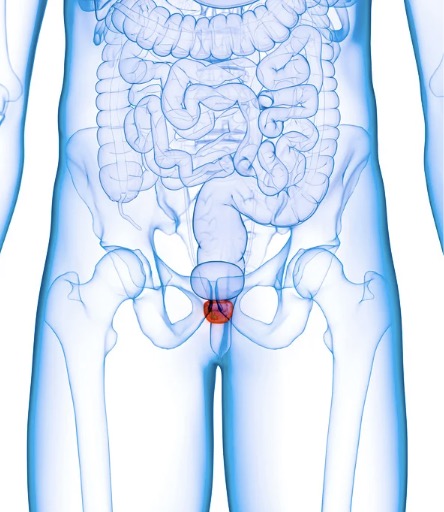
The prostate is a small gland (about the size of a walnut) that sits below the bladder. It produces fluid that mixes with sperm to form semen. Key functions include:
Helps in reproduction
Surrounds the urethra (tube that carries urine)
Grows larger with age
Prostate cancer is the most common cancer in men in the UK, affecting 1 in 8 men in their lifetime. Many cases grow slowly, but early detection is key to successful treatment.
Early-stage prostate cancer often has no symptoms. When symptoms appear, they may include:
Difficulty urinating (weak flow, frequent trips, especially at night)
Blood in urine or semen
Pain in the back, hips, or pelvis (if cancer spreads)
Erectile dysfunction
Note: These symptoms can also be caused by non-cancerous conditions like an enlarged prostate.
Causes
The cause of prostate cancer is multifactorial, meaning it arises from a combination of genetic, hormonal, and environmental factors. The primary medically recognised contributors include:
Genetic Mutations
Somatic mutations in prostate cells (not inherited) can lead to uncontrolled cell growth.
Inherited mutations and TP53 and PTEN gene alterations increase the risk.
Androgen Hormones
Androgens (mainly testosterone and dihydrotestosterone or DHT) stimulate prostate cell growth.
Over activity of the androgen receptor (AR) signalling pathway is a key driver in both the initiation and progression of prostate cancer.
Inflammation and Oxidative Stress
Chronic inflammation in the prostate may lead to DNA damage and promote carcinogenesis.
Proliferative inflammatory atrophy (PIA) is considered a potential precursor to prostate cancer.
Environmental and Lifestyle Factors
Diet high in saturated fats, obesity, and low physical activity may increase risk.
Exposure to carcinogens (e.g., from smoking or certain occupations) might contribute.
Age and Race
Increasing age is the most significant risk factor.
African American men have higher incidence and mortality rates, possibly due to genetic and socioeconomic factors.
Who is at risk?
Generally, if you are over 50 (most common in men over 70)
Have a family history (father or brother with prostate cancer)
Are Black (Black men have double the risk)
Myth Busting: ❌ “Prostate cancer only affects older men.” → False – Younger men can get it too. ❌ ”If I had prostate cancer, I’d know.” → False – Early stages often have no symptoms.
Test and Diagnosis
First Step: PSA Blood Test
Checks for Prostate-Specific Antigen (PSA), a protein linked to prostate cancer.
A 2-minute test – ask your GP if you’re at risk.
Further Tests (if needed):
Digital Rectal Exam (DRE): Doctor checks for lumps.
MRI Scan: Looks for abnormal areas.
Biopsy: Small tissue samples are taken for testing.
Important: There is no national screening programme in the UK—you must ask your GP for a PSA test if you’re at risk.
Stage
Treatment Options
Early (Localised)
Active monitoring, surgery (prostate removal), radiotherapy
Locally Advanced
Radiotherapy + hormone therapy, sometimes surgery
Advanced (Spread)
Hormone therapy, chemotherapy, radiotherapy for symptom relief
Treatment depends on:
Cancer stage (early, locally advanced, or advanced)
Your age and overall health
Possible side effects
Common treatments
Active Monitoring: Regular check-ups if cancer is slow-growing.
Surgery (Prostatectomy): Removes the prostate (possible side effects: incontinence, erectile dysfunction).
Radiotherapy: Uses high-energy rays to kill cancer cells.
Hormone Therapy: Lowers testosterone to slow cancer growth.
Chemotherapy: Used if cancer spreads.
Key takeaways
1 in 8 men will get prostate cancer.
Early-stage often has no symptoms – don’t wait to check your risk.
Black men and those over 50 should speak to their GP.
PSA test is quick and simple – ask for it if you’re at risk.
Treatments are effective when caught early.
Prostate cancer is treatable, especially when found early. Don’t wait for symptoms—if you’re at risk, talk to your GP today.
Ugly Duckling Sign: A mole that looks different from others on your skin.
Causes
UV exposure: Sunburns, sunbeds, or intermittent intense sun exposure.
Skin type: Fair skin, blue eyes, red/fair hair.
Moles: High number or irregular shapes.
Family history: Previous melanoma diagnosis.
Age: Older adults (BCC/SCC), but melanoma is the 5th most common cancer in 15–24-year-olds.
Risks
Blistering sunburn doubles melanoma risk.
Sunbeds increase UV exposure by 10–15 times.
Test
Testing for skin cancer, including melanoma, involves a combination of clinical examination, biopsy, and sometimes imaging or molecular testing depending on the stage or suspected spread. Most common tests and diagnostic procedures:
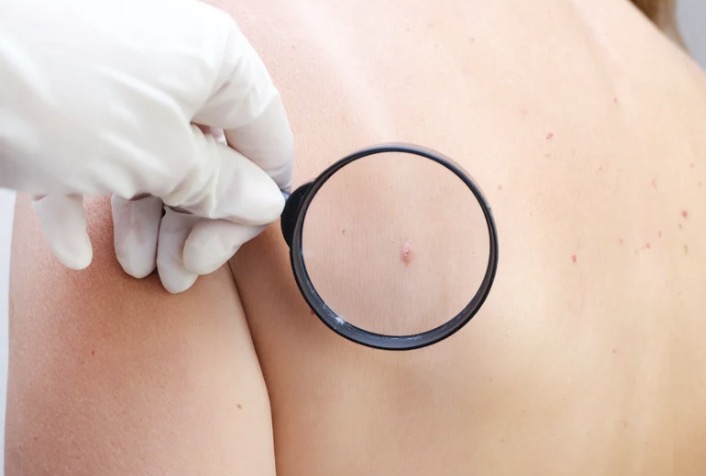
Visual examination: GP checks moles using the ABCDE rule.
Dermatoscopy: Magnified skin analysis.
Biopsy: Removal of a small tissue sample for lab testing.
Treatment
Treatment for skin cancer and melanoma depends on the type, stage, location, and patient health status.
Surgery
Primary treatment for most skin cancers.
May involve excision, skin grafts, or flaps.
Other Therapies
Radiotherapy: For cancers in sensitive areas.
Topical creams: For superficial lesions.
Photodynamic therapy: Light-activated treatment.
Drug treatments: Immunotherapy for advanced melanoma.
Medication & Prevention
Sun Protection Tips
Avoid peak sun (11 am–3 pm).
Use SPF 30+ sunscreen (reapply every 2 hours).
Wear protective clothing, hats, and sunglasses.
Avoid sunbeds.
Self-Care
Regular skin checks: Monitor moles using the ABCDE rule.
Seek shade: Use umbrellas, trees, or canopies.
Hydrate: Drink water to prevent heat-related illnesses.
Key takeaways
Early detection saves lives – 90% of melanoma patients survive if caught early.
Sun safety is crucial – 80% of skin cancers are preventable.
Check your skin – Use the ABCDE rule and “Ugly Duckling” method.
Avoid sunbeds – They significantly increase cancer risk.
Protect vulnerable groups – Elderly, children, and outdoor workers.