
Last update: 28 November 2025
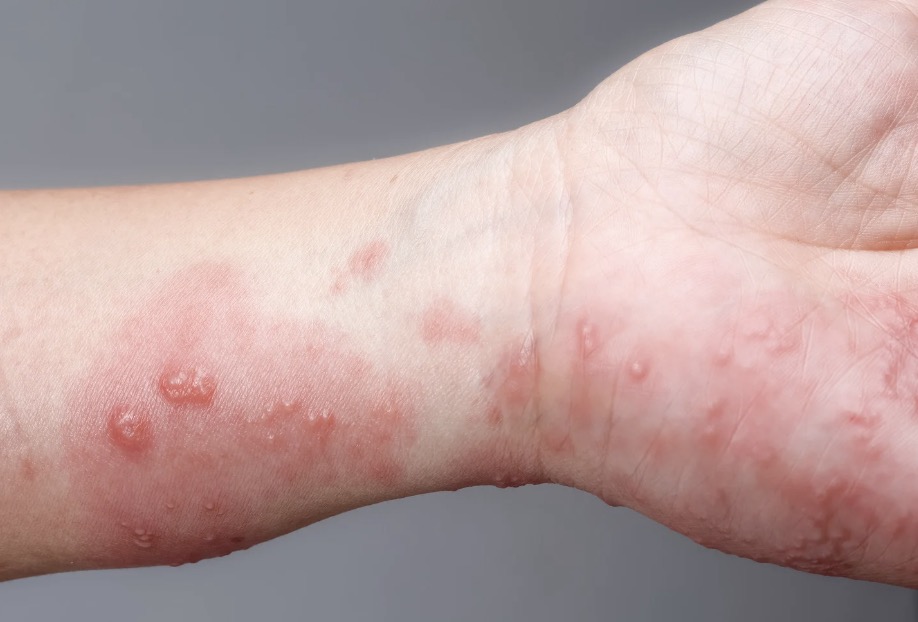
Shingles, or herpes zoster, is a painful skin rash caused by the reactivation of the varicella-zoster virus—the same virus that causes chickenpox. After recovering from chickenpox, the virus remains dormant in the body and can reactivate years later as shingles. This condition is more common and severe with age or weakened immunity.
Symptoms
Shingles symptoms usually develop in stages:
- Early symptoms:
- tingling, itching, or burning sensation on one side of the body or face.
- Main symptoms:
- Painful, fluid-filled blisters in a band-like pattern
- Rash appears usually on the chest, back, or face
- Skin sensitivity
- Other possible symptoms:
- Fever and headache
- Fatigue
- Upset stomach
Pain can persist after the rash heals, a complication called post-herpetic neuralgia (PHN).
Causes
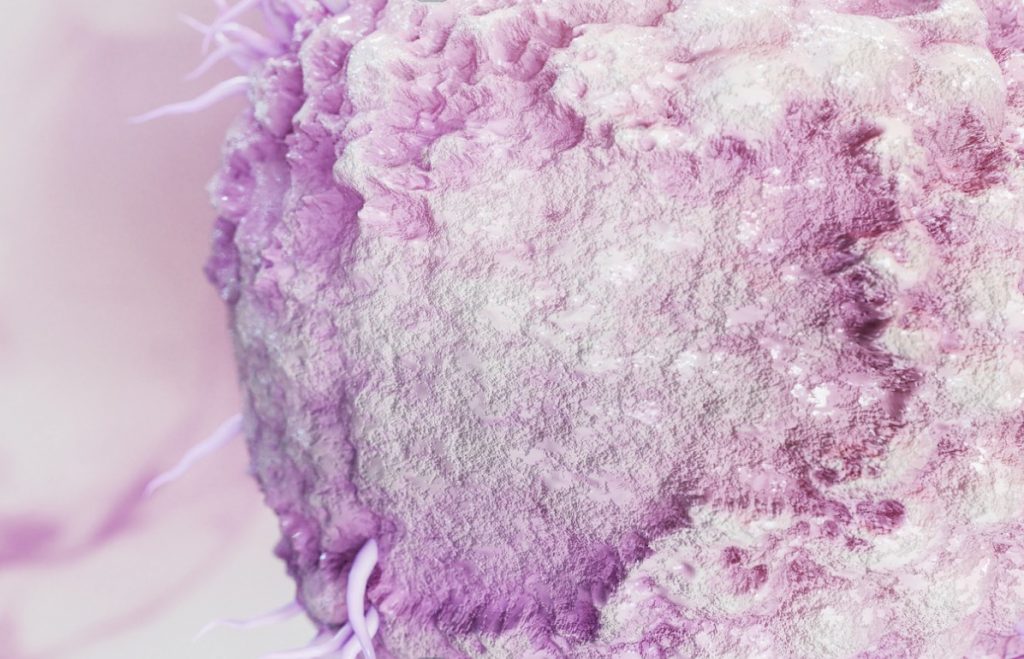
- Shingles is caused by the reactivation of the varicella-zoster virus.
- This virus stays inactive in nerve tissue after a chickenpox infection.
- Trigger factors include:
- Age-related immune decline
- Stress
- Medical treatments (e.g. chemotherapy, organ transplants)
- Chronic conditions (e.g. HIV/AIDS)
You cannot catch shingles from someone else, but a person with shingles can transmit chickenpox to someone who hasn’t had it.
Tests
Shingles is typically diagnosed by a GP based on:
- Symptoms and rash appearance
- Swab test: In uncertain cases, a fluid sample from a blister may be taken to confirm the virus.
Treatements
There is no cure, but treatment focuses on reducing symptoms and preventing complications:
- Antiviral medication (e.g., aciclovir) – works best if started within 72 hours of rash onset.
- Pain relief – paracetamol or ibuprofen; stronger medicines may be prescribed for severe pain.
- Soothing skin care:
- Cool compresses
- Calamine lotion
- Loose clothing
If the eye is affected, urgent treatment is required to prevent vision loss.
Medication
- Antivirals: Aciclovir, valaciclovir, or famciclovir (to speed up healing and reduce pain).
- Pain management:
- Over-the-counter painkillers (paracetamol)
- Tricyclic antidepressants or anticonvulsants (for PHN)
- Topical lidocaine patches
- Anti-inflammatory drugs may be prescribed in some cases.
Vaccination
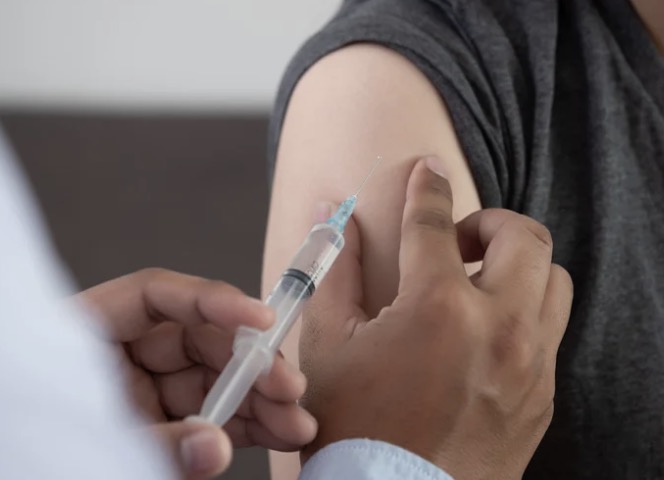
Two types of NHS-approved shingles vaccines are available:
- Shingrix (non-live): given in 2 doses, suitable for people with weakened immunity.
- Zostavax (live): single dose, not recommended for immunocompromised individuals.
Eligibility (England, Wales, Scotland):
- Age 70–79 years
- From 1 Sept 2023: those turning 65 or 70
- Aged 50+ with severely weakened immune systems
Key takeaways
- Shingles is a reactivation of the chickenpox virus.
- It can cause severe pain, lasting complications, and even hospitalization in older adults.
- Antivirals and pain management can help reduce symptoms and duration.
- Vaccination significantly reduces the risk and severity of shingles.
- If eligible, get vaccinated through your GP or local NHS provider.