
Last update: 15 December 2025
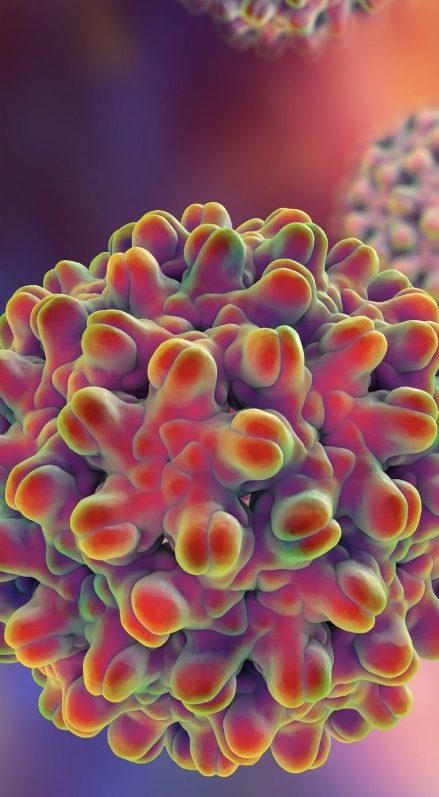
Hepatitis B, sometimes called Hep B or HBV, is a virus that infects the liver. Hepatitis B is the most widespread form of Hepatitis worldwide. Most people clear the virus by themselves and it has no lasting effects, but in some people Hepatitis B infection becomes long term (chronic). If this happens, it can cause liver disease.
One third of people living with hepatitis B infection worldwide live in China. The virus is usually picked up at birth (if the mother has a hepatitis B infection), or as a small child though contact with contaminated blood.
In 2024, Birmingham Public Health published their Chinese Community Health Profile which drew on desk research from a range of sources – local, national and international.
The incidence of Hepatitis B in the local Chinese community was found to be high relative to other groups. It is flagged as an issue of concern; therefore we have taken two actions:
1. We have produced this information to help people understand the disease
2. We have helped secure a site for Birmingham NHS University Hospital Trust to run its liver screening unit; and provided volunteer interpreters to support the NHS staff
Symptoms
Living with Hepatitis B can lead to liver damage. This increases the chance of serious liver disease (cirrhosis) and liver cancer. Most people with Hepatitis B do not get cirrhosis or liver cancer.
Acute Hepatitis B
Most adults fight off the virus within 6 months. This is called acute Hepatitis B. Symptoms can be like:
- a mild flu
- a high temperature
- tiredness
- pain in your upper tummy
- feeling sick or being sick
- patches of raised skin that may be itchy (hives)
- yellowing of the skin and whites of the eyes (jaundice)
The infection usually lasts for 1 to 3 months and most people either have no symptoms or mild symptoms.
Chronic Hepatitis B
Chronic Hepatitis B is an infection that lasts longer than 6 months. It is usually lifelong and can lead to other problems with your health. Many of these problems are related to inflammation and the immune system. Hepatitis B can also cause:
- Inflammation of blood vessels (vasculitis)
- Kidney problems (glomerulonephritis)
- Problems with your joints, bones and muscles (rheumatological conditions)
Hepatitis B in Adults and Children
- Adults are much less likely than children or babies to get a chronic infection. This is because adults usually have a fully developed immune system which is better at fighting off the virus.
- Most people living with Hepatitis B acquired the virus when they were born or as a young child.
- 90 out of 100 babies who pick up Hepatitis B from their mother at birth get a chronic infection.
- 25 to 30 out of 100 children who pick up the infection before the age of 5 get a chronic infection.
- Fewer than 5 out of 100 people who pick up Hepatitis B as adults get a chronic infection.
Causes
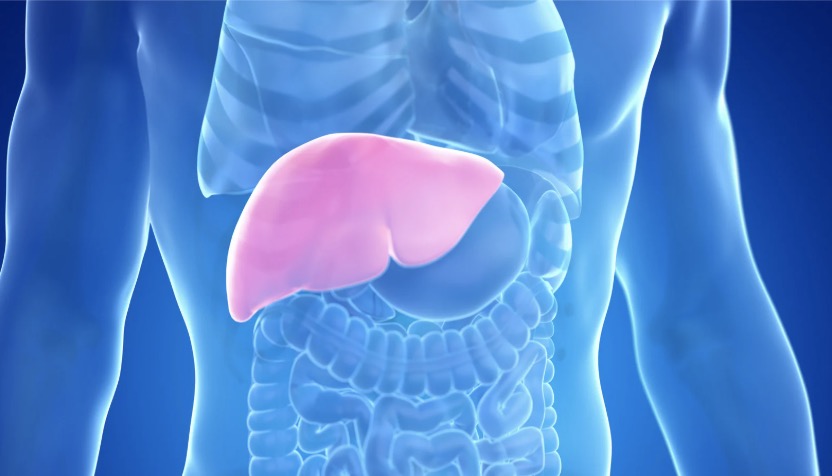
Hepatitis means inflammation of the liver. It can be caused by lots of different things. The Hepatitis B virus infects liver cells and can cause damage leading to liver disease and in some cases liver cancer.
There is more chance of this happening in countries with higher levels of the virus (the UK is not one of them). Most people with Hepatitis B don’t get liver cancer. People use the name Hepatitis B to mean both the virus and any liver disease it causes.
The virus is spread through blood and other bodily fluids. This means it can be passed from a mother to her baby. It can also be passed on during sex. Or by sharing any items that can get blood on them, such as razors or needles for injecting medicine or drugs.
Since 1972, donated blood has been tested for Hepatitis B to make sure it’s as safe as possible. This means the risk of getting an infection from a blood transfusion from it is extremely low.
Test
Screening
The NHS does not offer routine Hepatitis B screening. Birmingham NHS University Hospital Trust is currently piloting a general liver screening service. This is delivered via a mobile unit which visits publicly accessible sites across the city.
A liver scan (fibroscan) checks for scarring on the liver which indicates fibrosis – damage caused by disease. Hepatitis B may be picked up by the scan. Fibroscan should be repeated every 2-3 years.
Blood tests
You will have blood tests to look for parts of the virus (antigens). And to check how your immune system is reacting to the virus by looking for antibodies.
Other tests
This is a list of the other tests that doctors would use to get a clearer idea of what is happening.
- Hepatitis B surface antigen (HBsAg)
- Antibody against the core antigen (anti-HBc)
- Hepatitis B DNA (viral load)
- Antibody against the surface antigen (anti-HBs)
Treatments
Vaccination

Effective vaccines have been developed – see ‘Medication’ below. All babies born in the UK after 2017 are vaccinated. People at risk can get the vaccine for free.
Treatment conditions
Hepatitis B cannot be cured. There are treatments that can help control the virus and stop or slow down any liver damage. Whether you have treatment depends on how active the virus is.
You are likely to be offered treatment if one or more of these things are true:
- You have a viral load of 20,000 or more
- You have ALT levels (ALT – Alanine Transaminase, is an enzyme, a protein that speeds up certain chemical reactions in your body) above the normal range for 3 months
- You have a diagnosis of cirrhosis
- You are pregnant with high levels of the virus
Your doctor should talk with you about treatment options and what is right for you. They might take into account things like your age, general health and how else Hepatitis B affects you.
In chronic Hepatitis B the goal is to keep the virus under control. Often your immune system can do this by itself. But some people need treatment to help control the virus and protect their liver. Controlling the virus means 2 things:
- Stopping any new liver damage. Doctors look for ALT in the normal range.
- In some situations, stopping the virus copying itself so it can’t be passed on. Doctors look for a low viral load (DNA level)
Medication

The treatment for Hepatitis B is a medicine called an antiviral. You take it as a tablet once a day. The 2 main medicines used in the UK are called:
- Tenofovir Disoproxil (TDF for short)
- Entecavir (ETV)
Tenofovir and entecavir target the virus and stop it making copies of itself. So they are very good at keeping levels of virus low. They also improve liver disease in most people with chronic Hepatitis B. Taking them long-term can:
- Stop new liver damage
- Repair damage that is already there
- Improve cirrhosis
- Make a transplant less likely
Other treatments
A small number of people take an injected medicine for Hepatitis B called pegylated interferon. You take it for about a year and it can be very good at controlling the virus. But it does not work in everyone and the side-effects can make it hard to take.
Key Takeaways

- Hepatitis B is one of the most common viral infections in the world.
- Hepatitis B is mainly acquired at birth or in childhood.
- Hepatitis B can be treated and controlled.
- You cannot pass on Hepatitis B by sharing a meal.
- People living with Hepatitis B can have children and live a normal family life. Vaccination is a safe and effective way to stop the virus being passed.
Regular check-ups
- Hepatitis B can become more active without causing symptoms.
- Everyone with chronic Hepatitis B needs to have regular check-ups and tests. It is very important to go to all your check-ups, even if you are not being treated.
Tell your doctor straight away if you develop symptoms of liver damage such as:
- pain in your upper right tummy
- yellow eyes or skin
- changes to how you act
- feeling confused